An extraordinary experience! The service was impeccable, the dishes delicious, the chef excellent! The dishes very balanced, with special aromas and impeccable taste. A culinary delight! The wine menu diverse, we chose a red wine from Camille Cayran.
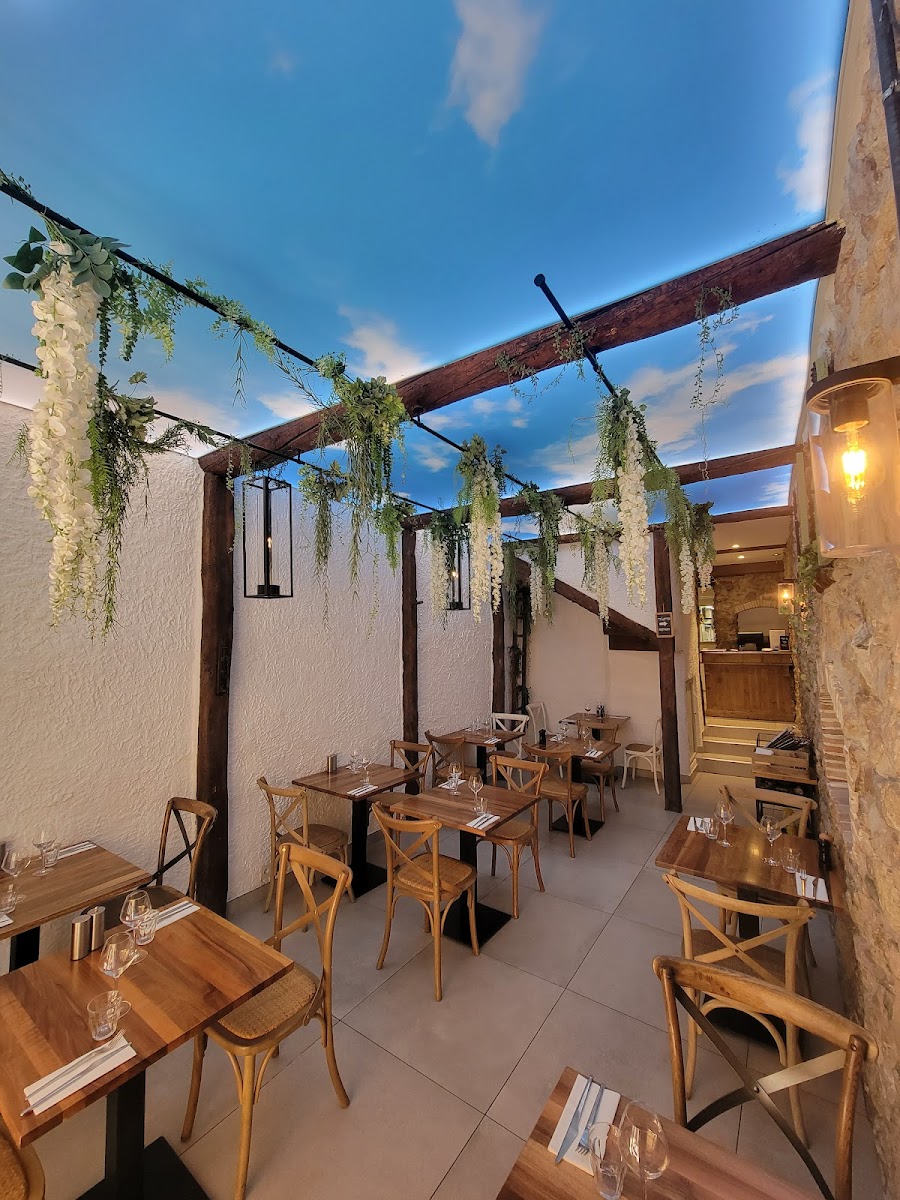
Overview
Tucked away at 5 Rue du Dr Rostan, 06600 Antibes, France, Le P'tit Cageot feels like the kind of place you almost want to keep to yourself. The first time I walked in, it was on a warm Riviera evening, the kind where the sea breeze drifts through the old streets of Antibes and you’re craving something fresh, local, and unpretentious. From the outside, it looks modest. Inside, though, it’s all about seasonal ingredients, careful preparation, and that unmistakable South of France charm.
What immediately stands out is the focus on fresh, market-driven cuisine. The name itself hints at it-a small crate of produce-and that philosophy carries through the entire menu. I’ve visited more than once, and each time the offerings have shifted slightly depending on what’s in season. This approach aligns with what culinary experts and organizations like the Michelin Guide consistently highlight: seasonality and short supply chains are hallmarks of high-quality dining. In France, where terroir matters deeply, restaurants that prioritize local sourcing often deliver more intense flavors and better nutritional value.
During my last visit, I tried a starter built around heirloom tomatoes, burrata, and a drizzle of olive oil sourced from Provence. It sounds simple, but the balance was spot on. The acidity of the tomatoes, the creaminess of the cheese, and the peppery finish of the oil worked together beautifully. It’s a reminder that great cooking isn’t always about complexity; sometimes it’s about respecting the ingredients. According to research from the French National Institute for Agricultural Research, produce consumed shortly after harvest retains more nutrients and flavor compounds. You can genuinely taste that difference here.
The main courses often showcase Mediterranean staples: fresh fish, tender cuts of meat, and vibrant vegetables. On one occasion, I ordered a perfectly seared sea bream served with ratatouille and a light citrus sauce. The fish was flaky and moist, with crisp skin that added texture. The ratatouille wasn’t overcooked or mushy, which can easily happen; instead, each vegetable kept its character. That attention to technique-temperature control, precise timing, proper seasoning-reflects real culinary expertise. It’s not flashy, but it’s confident.
Service also deserves a mention. The staff clearly know the menu inside out. When I asked about wine pairings, the server recommended a local white from the Alpes-Maritimes region, explaining why its minerality would complement the seafood. That level of knowledge builds trust. It’s the kind of informed guidance you expect in a serious bistro, not just a casual diner. Reviews from regular guests often mention this warm yet professional atmosphere, and I can see why. You’re not rushed, but you’re also not forgotten.
Another detail worth noting is portion balance. Many seaside restaurants in tourist-heavy areas either overwhelm you with oversized plates or underdeliver with style over substance. Here, portions are satisfying without being excessive. It reflects a broader French dining philosophy supported by nutrition studies from institutions like Harvard T.H. Chan School of Public Health, which emphasize balanced meals-adequate protein, healthy fats, and plenty of vegetables-as a sustainable way to eat well. The plates here naturally follow that model.
Desserts lean toward classic French comfort: think homemade tarts, seasonal fruit creations, and occasionally a rich chocolate option. I once had a pear tart that tasted like it came straight from a countryside kitchen. The pastry was crisp, the fruit tender but not soggy, and the sweetness restrained. It felt authentic rather than overly engineered.
In terms of location, being in the heart of Antibes makes it easy to combine dinner with a stroll along the old town walls or a visit to the nearby port. It’s ideal for both locals and travelers exploring the Côte d’Azur. While I can’t claim to have sampled every dish on the menu, the consistency across multiple visits gives me confidence in recommending it. Of course, as with any restaurant that emphasizes seasonality, specific dishes may vary depending on the time of year-that’s part of its charm.
Overall, dining here feels grounded, thoughtful, and rooted in regional identity. It’s not about trends or gimmicks. It’s about good produce, solid technique, and genuine hospitality-all the elements that make a neighborhood restaurant worth returning to again and again.
Good to know
Service options
✓ Outdoor seating ✓ Dine-in ✓ Delivery ✓ TakeawayHighlights
✓ Great coffee ✓ Great dessert ✓ Great wine listPopular for
✓ Lunch ✓ Dinner ✓ Solo diningAccessibility
✓ Wheelchair-accessible entrance ✓ Wheelchair-accessible seatingOfferings
✓ Alcohol ✓ Beer ✓ Cocktails ✓ Coffee ✓ Halal food ✓ Healthy options ✓ Spirits ✓ Vegetarian options ✓ WineDining options
✓ Lunch ✓ Dinner ✓ Catering ✓ Dessert ✓ Seating ✓ Table serviceAmenities
✓ Bar on site ✓ Gender-neutral toilets ✓ Toilet ✓ Wi-Fi ✓ Wi-FiAtmosphere
✓ Casual ✓ Cosy ✓ Quiet ✓ Romantic ✓ TrendyCrowd
✓ TouristsPlanning
✓ Lunch reservations recommended ✓ Reservations required ✓ Dinner reservations recommended ✓ Accepts reservationsPayments
✓ Credit cards ✓ Debit cards ✓ NFC mobile payments ✓ Pluxee ✓ Credit cardsChildren
✓ Good for kids ✓ High chairsParking
✓ Paid parking lot ✓ ParkingPets
✓ Dogs allowedPhotos
1 / 4
Location
Reviews
- No ratings yet 840 reviews
Great experience, food was tasty and portions were super generous. Recommend a visit. It’s a small place so best to book in advance.
Came late for dinner and it was just perfect. I had the fish with a glass of wine—delicious, and exactly what I needed. Great atmosphere.
Good quality food and friendly service. We had made a reservation at 7pm and we were glad because the restaurant quickly filled up. We ordered the octopus and veal. Both were cooked very well, with high quality ingredients. You could really see the care and love taken to prepare the dishes. That being said, I was satisfied but not blown away. Crème brûlée was very good as well Overall would recommend but wouldn’t sweat it if you didn’t have time to try it
This restaurant is amazing! So quaint and the staff is so friendly and accommodating. The main server was so beautiful and sweet and George the owner is very nice and loves to talk to his customers and really provides amazing customer service. The food was amazing. We had the duck and the Coq au Vin and the beet ravioli and they were all off the charts
Excellent food at a reasonable price. Tasteful details that elevate simple ingredients. The beef and chicken were both soft, flavorful, and perfect to anyone looking for a simple yet elegant meal. High quality wines ranging from $30-$100 a bottle.